
Upgrading a commercial property is an opportunity to improve more than its appearance. The right improvements can create a more productive workplace, enhance the customer experience, support employees, and make daily operations more efficient. Whether a business owner is renovating an office, expanding a retail location, updating a warehouse, or modernizing an educational facility, every improvement should serve a practical purpose. Careful planning also helps prevent unnecessary expenses and ensures that property upgrades support the company’s long-term goals.
Commercial renovations often involve several interconnected decisions, from evaluating existing building systems to choosing materials, coordinating contractors, and planning around business operations. A successful project requires balancing immediate needs with future expectations.
In this article, we’ll discuss the most important considerations for business owners upgrading their properties, including budgeting, building systems, functionality, safety, energy efficiency, and long-term maintenance.
Establishing Clear Property Improvement Goals
Before beginning a renovation, business owners should identify what they want to accomplish. Some properties need cosmetic improvements to create a more welcoming environment, while others require significant infrastructure updates to support changing operational demands.
For example, a retail business might prioritize customer-facing improvements, updated lighting, and more accessible product displays. A warehouse operator may focus on storage capacity, loading areas, equipment access, and employee safety. Meanwhile, an office renovation might involve creating collaborative workspaces, private meeting rooms, and more comfortable employee areas.
Defining these priorities helps business owners distinguish essential improvements from optional upgrades. It also provides a framework for evaluating contractor proposals and determining which projects deserve attention first.
Property owners should consider how their businesses may change over the next several years. Adding employees, introducing new equipment, expanding inventory, or accommodating additional customers can all influence building requirements. Planning around these possibilities can reduce the likelihood of needing another major renovation shortly after completing the current project.
Educational facilities have additional considerations because their spaces must accommodate students, teachers, administrators, and visitors. For example, school management software can support administrative coordination, but the physical property should also provide appropriate classrooms, shared spaces, and accessible facilities that complement daily educational operations.
Developing a Realistic Renovation Budget
Budgeting is one of the most important parts of a commercial property upgrade. Even relatively small improvements can involve several expenses beyond the initial contractor estimate. Materials, labor, permits, equipment rentals, inspections, and temporary operational changes can all influence the final project cost.
Business owners should begin by requesting detailed estimates for each major improvement. Comparing proposals can help identify differences in materials, project timelines, warranties, and included services. The lowest estimate isn’t necessarily the best investment if it involves lower-quality materials or excludes important work.
It’s also wise to establish a contingency fund. Older commercial buildings may contain outdated wiring, plumbing concerns, hidden water damage, or structural issues that aren’t immediately visible. Setting aside additional funds can help property owners address unexpected problems without abandoning important upgrades.
Another consideration is the financial impact of completing renovations while the business remains operational. Temporary closures, restricted customer access, employee relocation, and reduced production capacity can affect revenue. Owners should account for these possibilities when determining the most practical project schedule.
Financing decisions also deserve attention. Some businesses may benefit from completing improvements in phases, while others may prefer to finance a larger renovation to address multiple needs at once. The right approach depends on available capital, projected business growth, and the urgency of the required work.
Improving the Building’s Exterior Appearance
A commercial property’s exterior often creates the first impression customers, vendors, and potential business partners have of a company. An outdated facade, faded signage, damaged siding, or neglected landscaping can make an otherwise successful business appear less professional. Exterior improvements can help create a more inviting environment while reinforcing the company’s identity.
Business owners should evaluate the building’s paint, windows, entryways, parking areas, signage, and landscaping before deciding which improvements are necessary. A consistent appearance across these elements can make the property feel more organized and recognizable.
For businesses that use company vehicles for deliveries, transportation, or service calls, branding can extend beyond the building itself. A commercial vehicle wrap can turn company vehicles into mobile advertisements while maintaining a consistent visual identity across the business.
Windows are another important exterior feature. Depending on the building’s location and orientation, excessive sunlight can create glare, increase indoor temperatures, and make certain workspaces uncomfortable. Investing in commercial window tinting services can help manage sunlight exposure while improving privacy and supporting indoor comfort.
Fresh paint can also make an older property look more maintained. When evaluating commercial painting companies, business owners should consider their experience with commercial buildings, preparation methods, material recommendations, and ability to work within the property’s operating schedule.
Exterior improvements should also account for durability. Commercial buildings experience regular exposure to weather, foot traffic, and other environmental conditions, so selecting appropriate materials can help reduce maintenance requirements over time.
Evaluating Essential Building Systems
A commercial property depends on several systems working together to support daily operations. Heating, cooling, electrical, plumbing, and ventilation equipment should all be evaluated before major renovations begin.
Older systems may struggle to accommodate increased occupancy, new equipment, or expanded business activities. For example, adding more employees to an office or installing additional machinery in a production facility can increase electrical demand and place additional pressure on existing infrastructure.
Heating and cooling deserve particular attention because indoor temperatures influence employee comfort, customer experiences, and equipment performance. Business owners should review their existing systems, identify recurring problems, and consider whether upgrades are necessary.
Working with providers offering local HVAC services can help property owners evaluate equipment condition, airflow, temperature consistency, and system capacity. Regular maintenance and appropriately sized equipment can also support more reliable operation.
Plumbing infrastructure should receive similar attention, especially in buildings with kitchens, employee break rooms, restrooms, or facilities that require hot water throughout the day. A commercial electric water heater may be an appropriate option for properties that need a dependable hot water supply, depending on their usage requirements, available electrical capacity, and operating costs.
Electrical upgrades may also become necessary when businesses introduce new technology, equipment, or lighting systems. Property owners should have qualified professionals evaluate wiring, electrical panels, outlets, and other components before expanding their building’s electrical demands.
Prioritizing Workplace Cleanliness and Safety
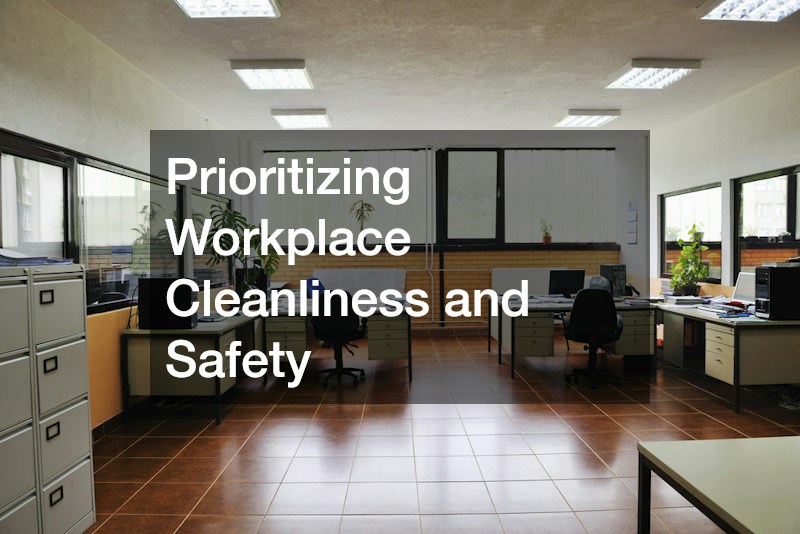
A clean and well-maintained commercial property contributes to a healthier, more comfortable environment. Dust, debris, spills, and neglected shared spaces can create unnecessary problems for employees and visitors.
Business owners should consider the cleaning requirements associated with their particular industry. Medical facilities, restaurants, offices, warehouses, and educational buildings all have different sanitation needs and cleaning schedules.
Professional commercial cleaning services can help businesses maintain consistent standards throughout their properties. Depending on the facility, services may include floor care, restroom sanitation, window cleaning, common-area maintenance, and other routine tasks.
Safety should also remain a priority throughout the renovation process. Owners should evaluate walkways, stairways, emergency exits, lighting, handrails, and accessibility features. Any hazards identified during the inspection should be addressed before they contribute to an injury or disrupt operations.
Fire protection systems, security equipment, and emergency communication procedures should also be reviewed. Renovations can change room layouts, electrical configurations, and building access points, so existing safety arrangements may need adjustments.
Businesses should also consider how construction activities will affect employees and visitors. Temporary barriers, clear signage, designated walkways, and appropriate scheduling can help reduce disruptions while work is underway.
Planning for Structural Improvements
Some commercial property upgrades involve more than cosmetic changes or equipment replacements. Structural improvements may be necessary when a building is aging, expanding, or being adapted for a different purpose.
Roofing is one of the most important areas to inspect. Leaks, damaged materials, poor drainage, and deteriorating flashing can expose the building’s interior to moisture and contribute to costly repairs. Business owners should schedule inspections and address roofing concerns before they cause more extensive damage.
Working with an experienced commercial roofing company can help property owners evaluate the roof’s condition and determine whether repairs, restoration, or replacement are appropriate. Material selection should account for the building’s structure, local weather conditions, expected lifespan, and maintenance requirements.
Larger renovation projects may also require specialized lifting equipment. For example, installing rooftop mechanical systems, moving heavy structural components, or positioning industrial equipment may involve a commercial crane service. Property owners should coordinate these activities with qualified contractors and account for site access, equipment placement, and workplace safety.
Metal components and equipment may also need protective finishing to improve their appearance and durability. Businesses working with industrial fixtures, machinery, or metal structures may benefit from commercial powder coating services when selecting a suitable finish for their applications.
Structural upgrades should always be evaluated alongside applicable building codes, permitting requirements, and professional recommendations. Addressing these considerations early can help prevent project delays and expensive corrections.
Considering Energy Efficiency and Operating Costs
Energy efficiency is another important consideration when upgrading a commercial property. Heating, cooling, lighting, and equipment can account for a significant portion of a business’s monthly operating expenses. Improvements that reduce unnecessary energy consumption may help businesses manage overhead while creating more comfortable working conditions.
Business owners should evaluate insulation, windows, doors, lighting fixtures, and existing mechanical equipment. Older lighting systems, for instance, may consume more electricity than newer alternatives. Replacing outdated fixtures with energy-efficient lighting can improve visibility while potentially reducing utility expenses.
Smart thermostats and automated lighting controls may also help businesses manage energy use according to occupancy and operating schedules. Warehouses, conference rooms, and other spaces that aren’t continuously occupied may benefit from controls that reduce unnecessary energy consumption.
Water efficiency is worth considering as well. Leaking fixtures, outdated plumbing components, and inefficient water-heating equipment can contribute to higher operating expenses. Addressing these issues during a renovation can help property owners avoid paying for preventable waste.
Energy improvements should be evaluated based on their expected costs and long-term benefits. Some upgrades may require a larger initial investment but offer ongoing savings through reduced utility consumption and maintenance needs.
Coordinating Contractors and Renovation Schedules
Commercial renovations frequently involve multiple contractors working on different parts of a property. Without proper coordination, overlapping schedules, material delays, and communication problems can slow progress and increase expenses.
Business owners should establish a clear project timeline before construction begins. This schedule should identify major milestones, expected completion dates, inspection requirements, and the order in which different improvements will take place.
For example, structural repairs and major utility upgrades should generally be addressed before cosmetic improvements. Painting walls before completing electrical modifications or installing finished flooring before resolving plumbing problems can result in unnecessary rework.
Communication is equally important. Property owners should establish who will oversee the project, how contractors will report progress, and who is responsible for addressing unexpected issues. Having one designated point of contact can make it easier to track decisions and maintain accountability.
Business owners should also verify contractor licensing, insurance coverage, references, and experience with similar commercial projects. Written agreements should clearly outline the scope of work, payment schedules, materials, warranties, and procedures for handling changes.
If the business will remain open during construction, owners should communicate anticipated disruptions to employees, customers, and vendors. Temporary entrances, adjusted operating hours, or designated construction areas may help the company maintain essential operations while improvements are underway.
Planning for Long-Term Property Value
A commercial property upgrade should provide benefits beyond the immediate renovation period. Business owners should consider how improvements may affect property value, maintenance requirements, operational efficiency, and future resale opportunities.
Well-maintained properties can be more attractive to prospective buyers, tenants, and business partners. Updated infrastructure, functional layouts, modern finishes, and reliable building systems can demonstrate that a property has received consistent attention.
Maintenance planning is particularly important after renovations are complete. Owners should establish inspection schedules for roofing, HVAC equipment, plumbing, electrical systems, and other major components. Keeping maintenance records can also help identify recurring problems and provide useful documentation for future property transactions.
Another consideration is adaptability. Commercial spaces may need to accommodate different tenants, equipment, or business activities over time. Flexible layouts, accessible utility connections, and durable materials can make future modifications easier.
Rather than choosing improvements based exclusively on current trends, business owners should prioritize upgrades that provide practical value throughout the property’s expected lifespan.
Making Strategic Property Improvements
Upgrading a commercial property requires balancing appearance, functionality, safety, and financial considerations. Business owners should evaluate their buildings carefully, establish realistic budgets, and prioritize improvements that address immediate problems while supporting future operations.
Taking time to compare contractors, review materials, and coordinate renovation schedules can also help prevent unnecessary expenses. A well-planned project should improve the property without creating avoidable disruptions to the business.
Commercial property upgrades are an investment in a company’s workplace, operations, and future growth. By prioritizing essential building systems, energy efficiency, structural integrity, and functional design, business owners can create spaces that better serve employees and customers. Thoughtful planning and consistent maintenance can help protect that investment while keeping the property attractive, dependable, and ready to support changing business needs.