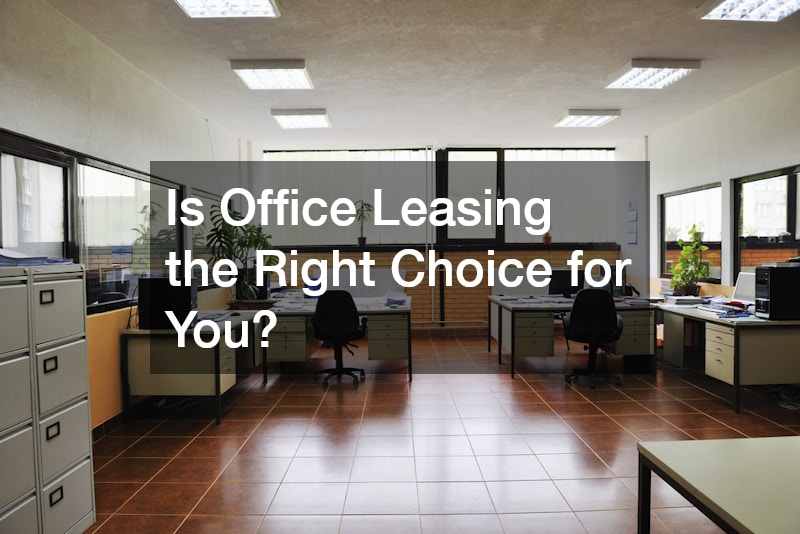
For many businesses, the decision to lease office space is a significant one. Understanding the fundamentals of office leasing involves knowing what a lease entails, including the terms and duration. Office leasing comes with its own set of responsibilities for the tenant, typically involving rent, maintenance, and any specific modifications needed for the business. Understanding these elements ensures that a business can plan effectively for their needs and manage their finances wisely.
Leasing is essentially a binding contract, requiring careful consideration and planning.
Office leasing differs greatly from owning a property. While ownership grants complete control over a space, leasing provides flexibility and potentially lower upfront costs, making it more accessible for many businesses. The commitment level is generally shorter in leases compared to purchasing, which can be ideal for growing businesses or startups unsure of their long-term space requirements. Furthermore, leasing can offer access to prime locations that may otherwise be unaffordable. These factors need to be weighed carefully to determine whether leasing aligns with your business goals and financial plans.
The terms of office leasing can vary significantly depending on the location, the landlord, and the size of the space. Common aspects include the length of the lease, rent escalation clauses, and maintenance responsibilities. It is crucial to understand all terms and conditions to avoid any future disagreements or unexpected costs. Having a clear understanding of office leasing terms allows you to negotiate better terms and make more informed decisions. By doing so, businesses can ensure they are selecting the best option for their specific needs.
Evaluating Your Business Needs
Before signing an office lease, it is essential to evaluate your specific business needs. Consider how much space you require, which is often determined by the number of employees and the nature of your work. Additional factors may include storage needs, utility requirements, and the necessary layout and design for efficient operations. By assessing these aspects, you can determine if leasing provides the appropriate amount and type of space for your business. Understanding your business needs helps in forecasting both present and future space utilization effectively.
Another critical aspect is the location of the office space. Proximity to public transportation, customer accessibility, and the presence of nearby amenities such as restaurants and banks can significantly impact the desirability of a location. The choice of location should align with your business objectives and your team’s working style. An ideal office location can enhance brand image, employee satisfaction, and ultimately, office productivity. Hence, conducting a thorough analysis of potential areas will ensure your office location fits your business model.
Finally, consider the growth potential of your business when deciding whether office leasing is right for you. Scalability and the ability to adapt the space to future needs are important factors. Some leases offer flexibility in terms of expansion, allowing businesses to grow without changing locations. Understanding the growth trajectory of your business can help in choosing a space that accommodates long-term plans while fulfilling current operational needs. This foresight can prevent costly moves and ensure the leasing decision supports business strategies.
Financial Implications of Leasing Office Space
Leasing office space requires a comprehensive understanding of the financial implications involved. The primary cost of leasing is the rent; however, other expenses such as maintenance, insurance, and utilities should be considered. By assessing these costs, businesses can better understand the full financial commitment required. Leasing can provide the financial flexibility needed for investment in the core business activities rather than tying up capital in real estate. Nonetheless, understanding all the associated costs ensures informed decision-making regarding leasing office space.
Moreover, some leases include escalation clauses where rent increases over time. These increases are often linked to inflation or market rates and need to be factored into budget forecasts. The ability to predict long-term financial liabilities ensures that businesses are prepared for any upward shifts in rent. Beyond rent, potential hidden costs such as repair and upgrades demanded by landlords should not be overlooked. Thoroughly assessing a lease agreement’s financial impact can prevent future financial strain.
Choosing between renting and owning office space largely hinges on the company’s financial strategy. Leasing typically requires a lower initial outlay compared to purchasing, making it appealing to startups and small businesses that may have limited capital. Additionally, leasing frees up funds for investment in technology, talent, and operations, potentially fostering faster growth. Adequate financial planning will highlight whether the cost of leasing aligns with the business’s long-term financial objectives. This thorough approach helps protect the company’s financial health while supporting its operational goals.
Ultimately, the decision to lease office space should be aligned with your company’s growth trajectory, financial health, and operational requirements. The right choice varies widely based on industry, business size, and future projections. It is essential to review all facets of the leasing agreement carefully before committing. Collaborating with real estate professionals and legal experts can further ensure that your decision supports your business’s overarching goals. Leasing, while offering potential benefits, must fit within the broader strategic framework to be genuinely effective.